THE BALLS
Ivory that would not stay round
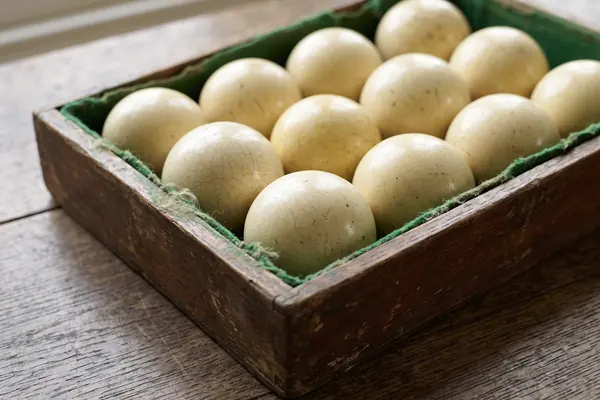
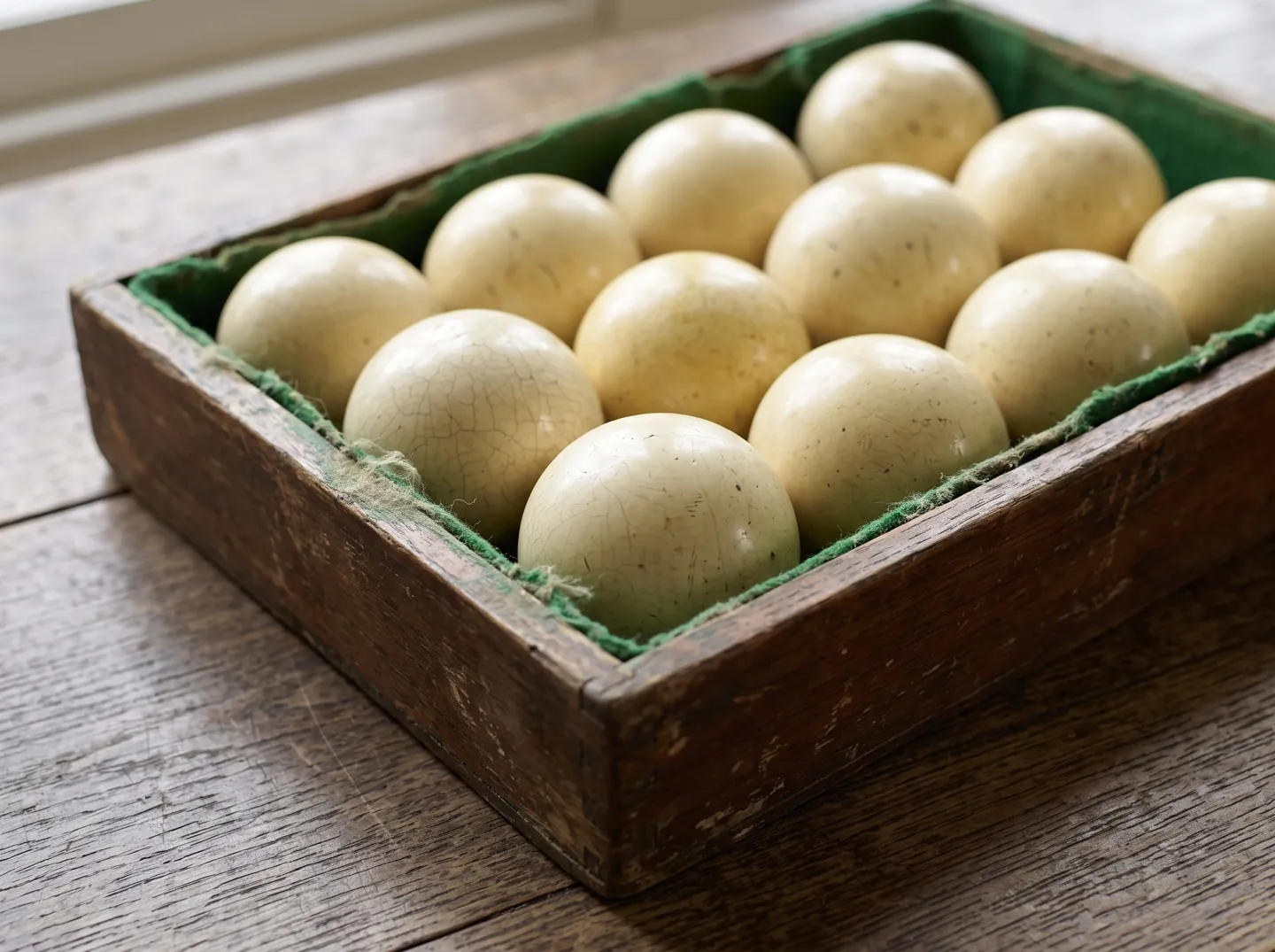
Ivory shrinks and swells across its grain, so ivory balls were hardly ever perfect spheres. Today the WPA specifies cast phenolic resin for every ball.
Pick a part doodle8ballpool.
WHAT THE TABLE IS MADE OF
Every part of a pool table was once something else.
Balls were turned from ivory, beds were wood and cushions were stuffed cloth. Each was replaced in turn, usually against fierce resistance from the best players of the day.
Pick a part Read the short answer
THE SHORT ANSWER
Ivory, wood and stuffed cloth all moved with the weather.
Their replacements were chosen to keep still.
THE BALLS
Ivory shrinks and swells across its grain, so ivory balls were hardly ever perfect spheres. Today the WPA specifies cast phenolic resin for every ball.
Pick a partTHE BED
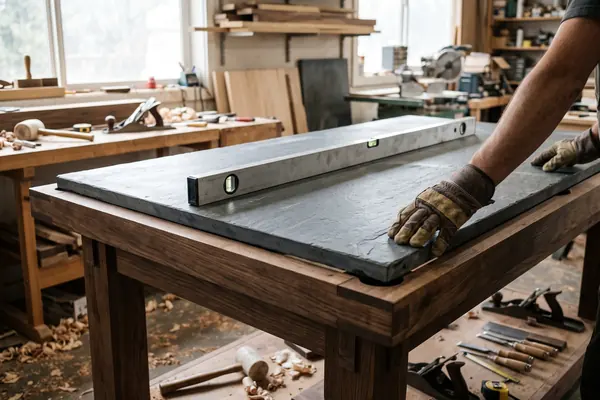
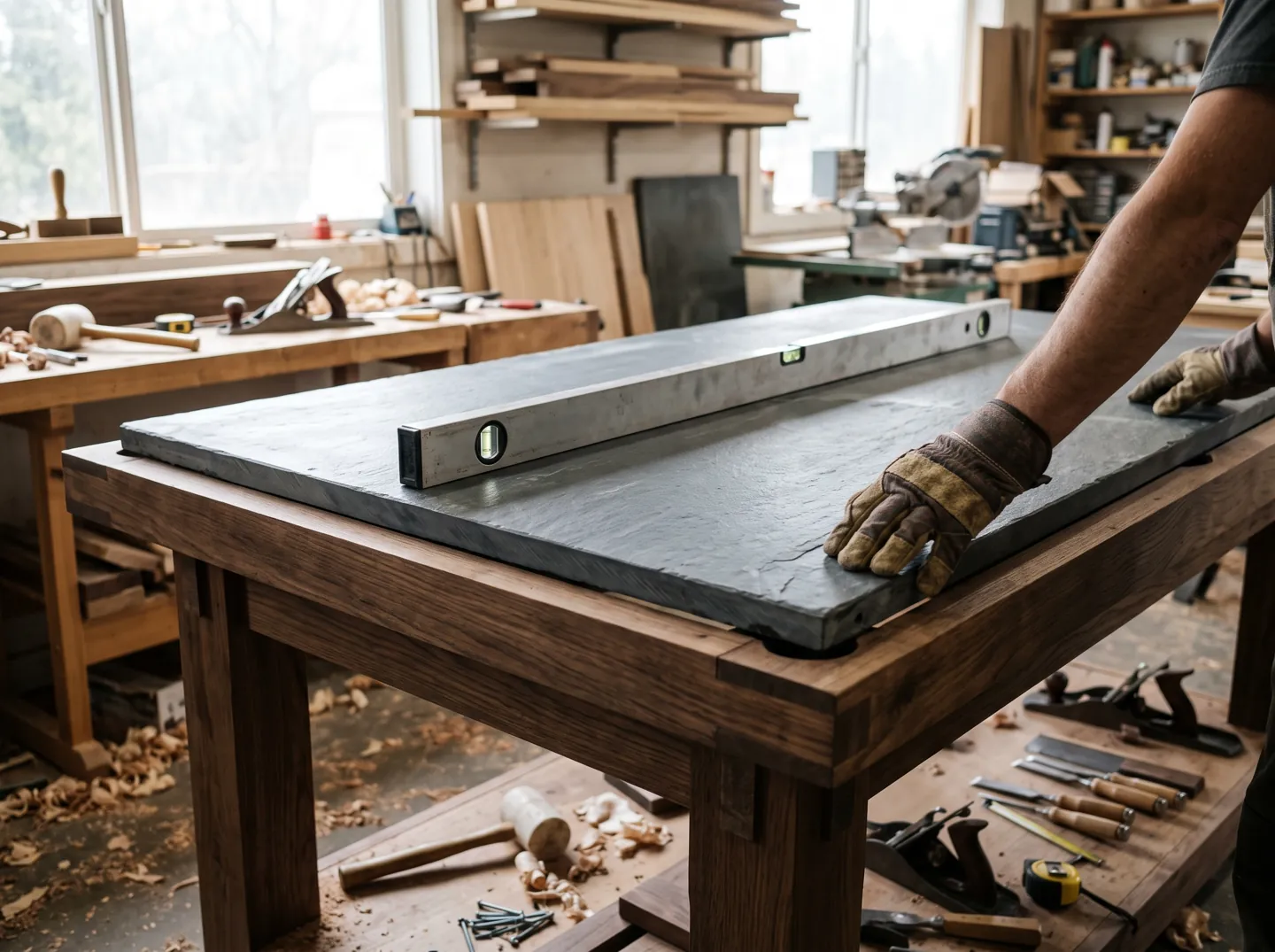
Wooden beds shrank, warped and swelled with the seasons. The earliest record of a slate bed is one supplied to a London club in 1826.
How it changedTHE CUSHIONS
Rubber cushions arrived in 1835 but went hard as wood in cold rooms. Vulcanised rubber, first used on billiard tables in 1845, fixed it.
Read the storyA QUICK TABLE TOUR
Pick a part of the table to see what it was once made of and what replaced it. The bar shows how long the modern material has been the standard.
Dates from the Billiard and Snooker Heritage Collection articles and the WPA equipment specifications.
TWO NUMBERS WORTH KNOWING
One figure on the ivory trade,
one on the prize offered for a way out.
IVORY IMPORTS · HERITAGE COLLECTION
Ivory through the Port of London, 1827 to 1890
5× more
Citing figures published in the Encyclopaedia Britannica, the Billiard and Snooker Heritage Collection says London took in 3,000 cwt of ivory in 1827 and 15,000 cwt by 1890.
THE PRIZE · SCIENCE HISTORY INSTITUTE
Offered in 1863 for an ivory substitute
$10,000
The Science History Institute says a New York firm offered the then immense sum of $10,000 for an ivory substitute as billiards became a mass-market entertainment.
The search led to celluloid, the first successful synthetic plastic, patented in 1870. The Science History Institute says the inventor never tried to claim the prize.
FOUR CHANGES, IN ORDER
Each change took a part that moved with heat and damp and swapped it for one that held its shape.
COLD ROOMS
Natural rubber goes almost as hard as wood at around 0°C. Before vulcanised rubber, the first rubber cushions lost their bounce in cold British winters, and some players still preferred stuffed cushions.
The fix was a set of six zinc hot water pans, filled with boiling water and laid against the cushions before play. The Heritage Collection still suggests keeping a billiard room at about 18°C.
QUESTIONS PEOPLE ASK
Traditional Games says the word pool means a collective bet. It became the name of the game when it began to be played in 19th-century pool rooms, which were then places for betting on horse races.
No. The WPA equipment specifications say every ball must be cast phenolic resin plastic, 2¼ inches (5.715 cm) across and weighing 5½ to 6 oz.
Wooden beds shrank, warped and swelled with the climate and the season. Slate replaced them from 1826, and the WPA now asks for slate at least 1 inch thick in three equal pieces.
The early balls used flammable cellulose nitrate. The Heritage Collection repeats stories from the USA of balls bursting into flames, and the Science History Institute says celluloid kept the flammability of guncotton.
For WPA competition, only yellow-green, blue-green or electric blue cloth is allowed, and the cloth must be non-directional and nap-free.
SOURCES
Each figure on this page comes from the sources below. Check them for the full detail and context.